Kfarhelda – Our lady of Kfarmalkoun, or Our lady of ruins

كنيسة سيدة كفرملكون الأثرية - كفرحلده, Kfar Helda, Lebanon

Other Details

كنيسة سيّدة كفرملكون (سيّدة الخرايب)

Kfar Hilda

Batroun

North

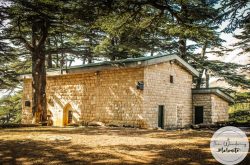
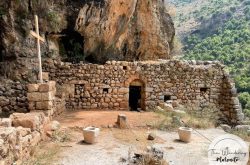
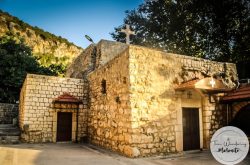
كنيسة سيّدة كفرملكون (سيّدة الخرايب) - كفرحلداترقى الكنيسة الى القرن الثالث عشر ، في أعالي بلدة كفرحلدا وكانت قد بنيت هذه الكنيسة بالطريقة البدائية التقليدية كما كان قائماً في القرون الوسطى، أما قبة الجرس فهي حديثة الصنع.هذه الكنيسة كانت جزءاً من قرية كفرملكون الواردة في السجلات العثمانية. مع مرور الزمن هُجّرت القرية وبدأت الابنية بالتفكك والانهيار خاصة بعد حدوث زلزال كان قد ضرب المنطقة أدى الى خرابها فسُميت بسيّدة الخرايب. أما السواد الذي يغطي بعضاً من معالم الرسومات داخل جدران الكنيسة، فكان بسبب ان بعض الرعاة كانوا يرتادون المكان ويشعلون النار للتدفئة.في حنية الكنيسة جدارية الشفاعة مع كتابة يسوع المسيح بالخط السرياني الملكي في الوسط.على الجدار الشمالي رسماً لأسقف أصلع الرأس، هو القديس يوحنا الذهبي الفم. وعلى الجدار نفسه نقرأ اسم ضومطيوس باللغة اليونانية.أما على الجدار الجنوبي بقايا مشهد الميلاد مع أربع ملائكة وراعٍ يعزف على الناي وبجانبه حملان.Our lady of Kfarmalkoun, or Our lady of ruins - KfarheldaDating back to the 13th century, and laying on the high hills of Kfarhelda, this church was built following the traditional medieval style.This church is located in the old Kfarmalkoun village that is found in the Ottoman records. With time, the villagers had left their village and the buildings started to fall apart, especially after it was hit by an earthquake. Thus the name: Our Lady of the Ruins.Some of the Church walls are covered with a black layer caused by the fires that the pastors lit when they were cold.On the Church's apse, one can find the Deisis fresco, surrounded by the words Jesus Christ written in a royal syriac font.On the northen wall, we can see the drawing of a bald bishop, St. John Chrysostom. On the same wall, we can find the words Domtius written in Greek.On the sourhern wall, on can find the remains of a fresco depicting the Nativity scene with four angels and a pastor playing on the flute next to some sheep.

Visited 6994 times, 4 Visits today

Reviews are disabled, but trackbacks and pingbacks are open.

Related Listings

Bnabil – The Monastery of St. Michael

Mar Mikhael Bnabil, Lebanon

دير مار ميخائيل

Bnabil

Metn

Mount Lebanon

دير مار ميخائيل – بنابيل

يعود الدّير للقرن السابع عشر. هو وَقف من الشيخ بو عقل هارون وأولاده. كان بتصرُّف الرهبانيَّة اللبنانيَّة سنة ١٧١٩، وفي سنة ١٧٤٠، تسلَّمه الرهبان الأنطونيُّون، فتسلَّم الدير المطران يواصاف البسكنتاوي، وباشر تجديد بنائه سنة ١٧٥٢، وخصَّصه لسكنى الراهبات العابدات، لكنَّه عاد فسلَّمه إلى الرهبانيَّة اللبنانيَّة، وتسلَّم المطران بدلًا منه دير مار ساسين بسكنتا، ونقل إليه الراهبات. أمَّا البناء وتجديده فقد شَهد عدَّة مراحل. الكنيسة الحاليّة بُنيت سنة ١٨٥٥. تَجدر الإشارة على أنَّ دير بنابيل قد تعرَّض لنكباتٍ عديدةٍ على غرار باقي الأديار، فقد نهبته العساكر المصريَّة سنة ١٨٤٠. كذلك لم يسلم من الأذى أثناء أحداث ١٨٦٠. لكنَّ الرهبانيَّة كانت تهبُّ كلَّ مرَّة إلى ترميمه. وقد جدَّدت في بناء الدير، وأحدثت فيه إصلاحات عدَّة سنة ١٩٠١. أمَّا بناؤه الحاليّ فيعود إلى سنة ١٩٤٧.

The Monastery of St. Michael - Bnabil

The monastery dates back to the 17th century. It was originally donated by Sheikh Bou Akl Haroun and his sons. In 1719, the monastery was given to the Beledite order. However, in 1740, it was transferred to the Antonine Fathers. Later on, in 1752, Bishop Youwassaf el Beskentawi took over and converted the monastery into a nunnery. Subsequently, the bishop returned it to the Beledites and acquired the Monastery of St. Sassine in Baskinta for his nuns. Over the years, the monastery underwent several restorations. The construction of the church took place in 1855. Unfortunately, the building suffered damage during the presence of the Egyptian army in 1840 and the war of 1860. It was eventually restored in 1901 and assumed its final form in 1943.

Kfar Jarra – Saint John the Baptist

Kfar Jarra Municipality, Saida - Jezzine Road, Lebanon

كنيسة مار يوحنا المعمدان - كفرجرّة

1755

Kfar Jarra

Jezzine

South

بُنيت الكنيسة سنة ١٧٥٥ في عهد البطريرك يعقوب عوّاد وكرّسها المطران سمعان عوّاد اسقف صيدا. هي اولى الكنائس المارونيّة التي بنيت في منطقة شرقيّ صيدا وساحل جزّين. تتميّز بهندستها البسيطة وبالنقوش على أعتاب أبوابها المنخفضة. خُرّبت إبّان الحرب الأهليّة وأعيد ترميمها في تسعينات القرن العشرين.

The church was built in 1755 during the pontificate of Patriarch Jacob Awad and was consecrated by Sidon’s bishop Simon Awad. It is the first maronite church in the vicinity of Sidon. The architecture is simple and doted with symbolic arabesque over the small narrow doors. During the civil war it was heavily damaged and restored during the nineties. 

The Valley of Qannoubine – The monastery of St Aboun

دير مار آبون, Wadi Qannoubine, Lebanon

دير مار أبون

Ouadi Qannoubine

Bcharre

North

دير مار أبون - وادي قاديشا

هو دير مار يوحنّا القصير الملقب بأبون أحد آباء الصحراء. يتكوّن الدّير من كنيسةٍ وعدّة قلالي. تقع الكنيسة داخل مغارة وهي على نسق البازيليك في البناء، والأكبر بين كنائس الوادي. أوّل ذكر للدّير يعود إلى القرن الثاني عشر، عندما أفاد البطريرك اسطفان الدويهيّ أن "هذا الدير كان مديرًا لجميع النساك في منطقة بشراي" . جعله البطريرك يعقوب الحدثي مقرًّا له سنة ١٤٤٥. بقي الدّير مأهولاً للقرن السابع عشر، وهو اليوم ضمن ورشة ترميم لإصلاحه وتجديده.

The monastery of St Aboun - The Valley of Qannoubine

The monastery is dedicated to St John the short an Egyptian desert father known to the syriacs as Aboun. The monastery consists of a basilical cave church, the largest one in the holy valley, and some adjacent cells. The first mention of the monastery is from the XIIth century when it was the head of all the monasteries and hermitages in the region of Bsharre according to Patriarch Estefan el Douaihy. In 1445 the monastery became the patriarchal residence of Patriarch Yaaqoub el Hadathi. The monastery fell into ruins at the end of the XVIIth century, today a plan for it’s restoration is undergoing.